When your teen shuts you out.
A practical evening for parents of teenagers, on why the same fight keeps happening and what to do differently. Led by Daniel Peterson, CMHC, a therapist who has spent his career with the kids everyone else has given up on.
You ask where they were. They say nothing. You push a little, because the silence is unbearable, and the door closes, literally or otherwise. Later you replay it and cannot find the moment it went wrong.
It went wrong earlier than you think, and not because you are bad at this. The part of your teenager that shuts you out is not defiance and it is not you failing. It is protection, and it responds to something completely different than what most of us instinctively offer.
This evening gives parents a way to see the fight clearly while it is happening, and something specific to do instead.
Four things you can use that night.
The three parts in every fight
Why the same argument keeps happening, and what each side is actually protecting.
What to say instead
"Why would you do that" sounds like curiosity and lands like an accusation. Here is what replaces it.
Staying in the room
You can't reason with a flooded nervous system. What to do when your teen is past the point of talking.
When to get help
Plain signals for telling a hard season apart from something that needs more than patience.
Bringing it to your school, church, or group.
Daniel presents this for PTAs and PTOs, middle and high schools, churches and faith communities, public libraries, and youth-serving nonprofits along the Wasatch Front. It works in a church basement with fifteen parents and in a school auditorium with three hundred. No clinical background is assumed, and nothing is asked of the audience that would put anyone on the spot.
60 minutes
The core talk. Fits a standard parent-night slot with time for questions.
75 minutes
The full version, with a short paired practice. This is the one to pick.
90 minutes
Adds a scenario clinic where parents work through their own situation.
Everything but the room.
Daniel brings the talk, the slides, and a one-page handout parents take home. You provide the space, the projector, and the promotion. He'll give you a flyer and a short description you can drop straight into your newsletter.
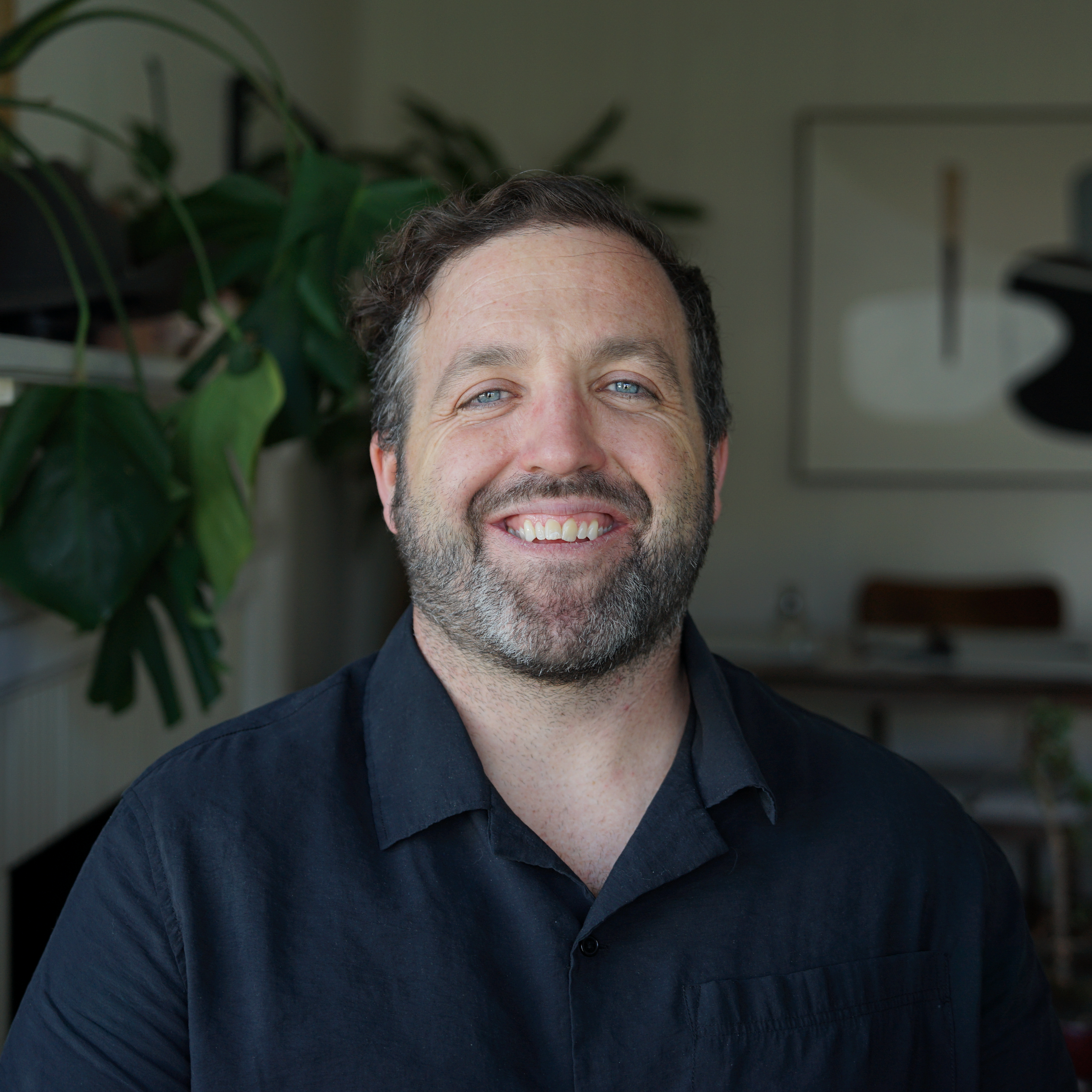
Daniel Peterson, CMHC
Daniel is a Clinical Mental Health Counselor in Utah and a former Catholic priest. He has worked with reactive, high-risk teenagers across residential, hospital, and substance-use settings, using Internal Family Systems, an established therapeutic model with an emerging evidence base. He is presenting his flagship talk on parts work with teens at the Utah Fall Conference on Substance Use and at the Idaho juvenile justice conference this year.
Parents tend to say the same thing afterward: that it was the first time the fight at home made sense.
More about DanielThis workshop is educational and supportive. It is not therapy, not a substitute for professional mental health care, and not a diagnosis or treatment plan for any individual teen.